Most homes should be vacuumed at least once a week, but high-traffic areas and homes with pets or allergies need vacuuming two to three times a week. The ideal frequency depends on your floor type, household size, and lifestyle — here’s how to find your perfect vacuuming schedule.
Regular vacuuming doesn’t just make floors look nice. It helps remove dust, pet dander, and allergens that affect indoor air quality and even prolongs your flooring’s lifespan.
Below, we break down exactly how often to vacuum every part of your home — plus expert insight from Madison’s trusted cleaning pros at Touch of Europe.
Quick Takeaways – How Often Should You Vacuum Each Area
- Carpets & Rugs: 2–3 times per week – trap dust, hair, and allergens easily.
- Hardwood / Laminate Floors: 1–2 times per week – prevent scratches from grit.
- Tile / Vinyl Floors: Weekly – maintain shine and reduce dirt buildup.
- Bedrooms: Weekly (more if pets sleep here) – reduce dust mites and dander.
- Living Rooms / High-Traffic Areas: Every other day – heaviest dirt and debris.
- Pet Areas: Daily – control fur, odor, and allergens.
- Low-Use Rooms: Every two weeks – minimal buildup.
Factors That Determine How Often You Should Vacuum
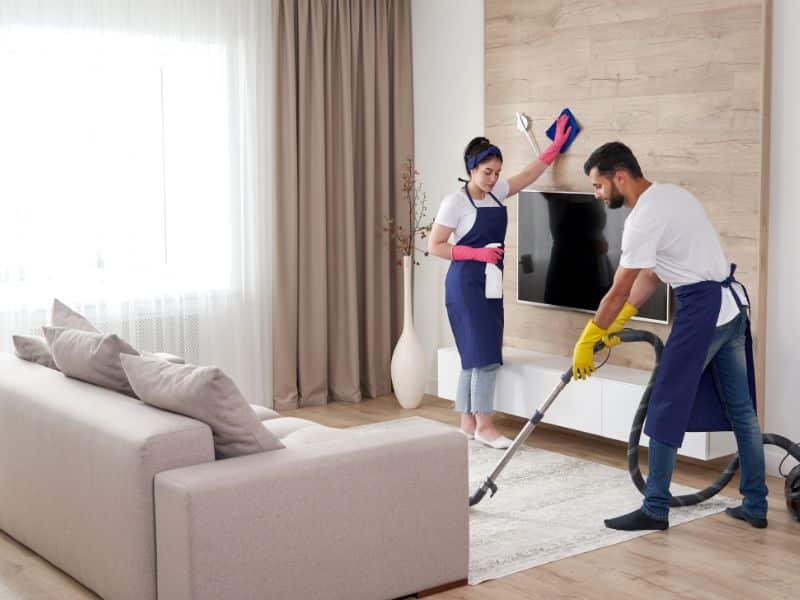
How often you vacuum depends on your floor type, household activity, and environment. Here’s what to consider before setting your cleaning schedule.
1. Floor Type
Carpets and rugs trap dust, food particles, and pet hair easily, so vacuum two to three times weekly. Hardwood floors or laminate surfaces need once or twice a week using a soft-brush or brushless head to prevent scratches. Tile and vinyl floors should be vacuumed weekly or as needed to remove grit and debris from grout lines.
2. Foot Traffic and Lifestyle
Larger families, frequent visitors, or kids bring in more dirt. If your living room sees constant foot traffic, frequent vacuuming every other day keeps dirt from embedding into carpet fibers. For smaller households or apartments, once-a-week regular vacuuming is usually enough.
3. Pets and Allergies
Pet owners or anyone with allergies should vacuum daily or every other day. Fur, pet dander, and dust can quickly impact indoor air quality. Use vacuums with a HEPA filter to capture fine particles and dust mites, reducing allergy symptoms and respiratory issues.
4. Seasonal and Environmental Factors
During allergy season, pollen and outdoor dust increase. In winter, closed windows lead to more trapped dust. Homes near dirt roads, construction zones, or rural areas often need more daily vacuuming.
How Often to Vacuum Every Surface in Your Home
Different parts of your house need different cleaning frequencies.
Carpets and Rugs
Vacuum 2–3 times weekly to remove dust particles, pet hair, and food crumbs. Deep clean monthly with a carpet cleaner or schedule professional carpet cleaning quarterly.
Hardwood and Laminate Floors
Vacuum once or twice weekly with a soft-bristle head to avoid scratching. Mop after vacuuming for a clean home and healthy shine on wood floors.
Tile and Vinyl Floors
Vacuum weekly, focusing on grout lines and hard surfaces that collect fine dust. Follow up with a mop for the best results.
Upholstery, Curtains, and Stairs
Vacuum every 1–2 weeks using a crevice tool or handheld vacuum to remove pet fur and dust buildup. Don’t forget furry friends’ favorite furniture spots.
Under Furniture and Hidden Areas
Once a month, move chairs, sofas, and beds to clean out dust bunnies and trapped debris that affect indoor air quality.
Signs You’re Not Vacuuming Enough
If your home doesn’t smell fresh or allergies seem worse, it might be time to step up your vacuuming routine.
- Lingering odors or musty smells
- Visible pet hair or footprints on floors
- Dust buildup on baseboards and furniture
- Allergy flare-ups or respiratory issues
- Dull carpet fibers and worn appearance
Expert Vacuuming Tips for Maximum Efficiency
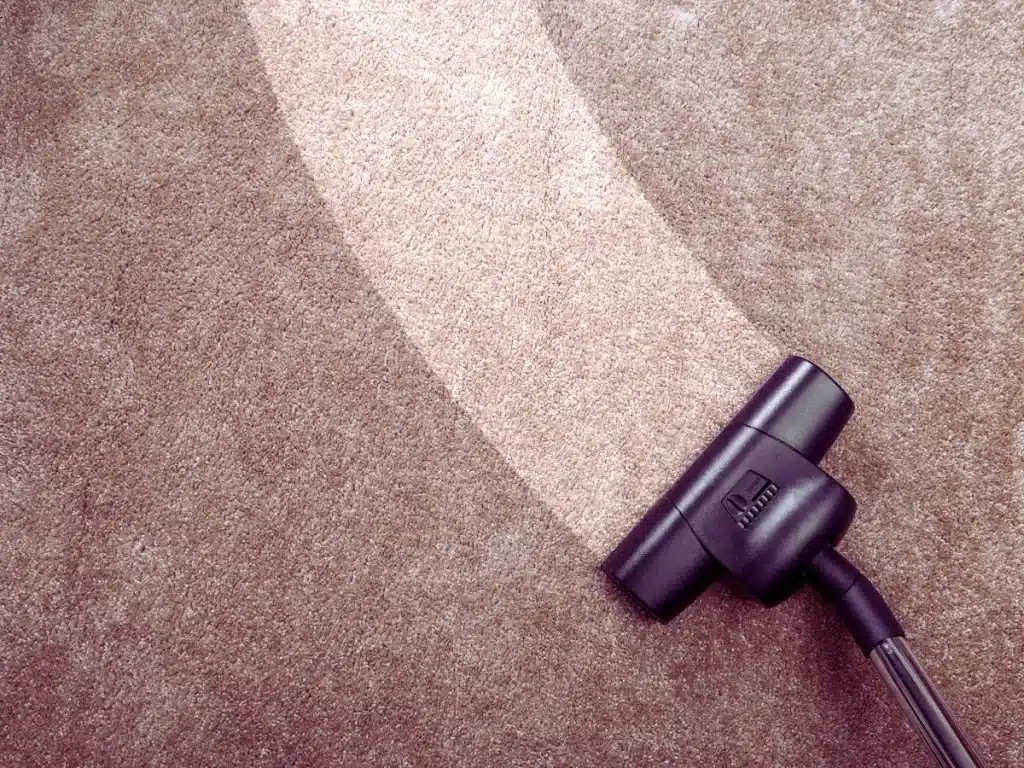
Even with good vacuum cleaners, a few small changes can make a big difference.
1. Vacuum in Two Directions
Go back and forth, then side to side. This crosshatch motion lifts dirt stuck deep in carpet fibers.
2. Empty the Dust Bin Regularly
Keep airflow strong and suction consistent. A full bin reduces suction power.
3. Clean Filters and Brushes
Wash or replace HEPA filters and clean the beater bar to maintain performance.
4. Use the Right Attachments
A crevice tool reaches tight spots and edges, while a brush attachment works best on stairs and upholstery.
5. Automate with a Robot Vacuum
Robot vacuums handle light daily vacuuming between deep cleans, especially helpful in high-traffic areas or homes with furry friends.
Can You Vacuum Too Much?
No. Frequent vacuuming won’t damage carpets or hard floors as long as the settings match your floor type.
Questions like “Is vacuuming every day bad?” come up often, but with a modern vacuum that adjusts to carpet height or switches off the beater bar, it’s perfectly safe — and better for a healthy home.
Quick Maintenance Schedule (Sample Routine)
Here’s a simple routine to keep your whole house consistently clean:
- Daily: Pet areas, entryways, and high-traffic rooms
- 2–3× Weekly: Living room, family room, and dining area
- Weekly: Bedrooms, guest rooms, and low-traffic areas
- Monthly: Baseboards, furniture, ceiling fans, and hidden corners
FAQs About Vacuuming Frequency
How often should you vacuum carpets and rugs?
Vacuum carpets and rugs at least two to three times a week, or daily if you have pets or allergies.
Is it okay to vacuum every day?
Yes. Daily vacuuming is safe if you use the correct suction level and attachments for your flooring type.
How often should you vacuum hardwood floors?
Once or twice weekly with a soft, brushless head. This prevents scratching and keeps hardwood floors polished.
How often should you vacuum if you have pets?
Pet owners should vacuum daily or every other day to control fur, pet dander, and odors.
How often should bedrooms and low-traffic rooms be vacuumed?
Once a week works for most homes unless pets or allergies are a concern.
Can vacuuming improve indoor air quality?
Yes. Regular vacuuming with a HEPA filter removes dust particles, pollen, and allergens, improving air freshness.
What’s the best vacuuming pattern for deep cleaning?
Use slow, overlapping strokes in two directions for the best results — vertical and horizontal — to lift more embedded dirt.
Build Your Ideal Vacuuming Routine

The right vacuuming routine depends on your flooring type, number of people in your home, and lifestyle. Some homes need daily upkeep, others can stick to a weekly vacuuming plan.
Consistent care keeps your home cleaner, your air fresher, and your floors lasting longer.
Whether you want help maintaining your cleaning routine or need a spotless home without lifting a finger, Touch of Europe Cleaning Services has you covered.
We proudly serve Madison, WI, and nearby areas including Fitchburg, Middleton, Sun Prairie, and Verona.Our professional cleaning team in Madison uses eco-friendly products and advanced equipment to ensure every surface shines — giving you more time to enjoy a truly clean home.