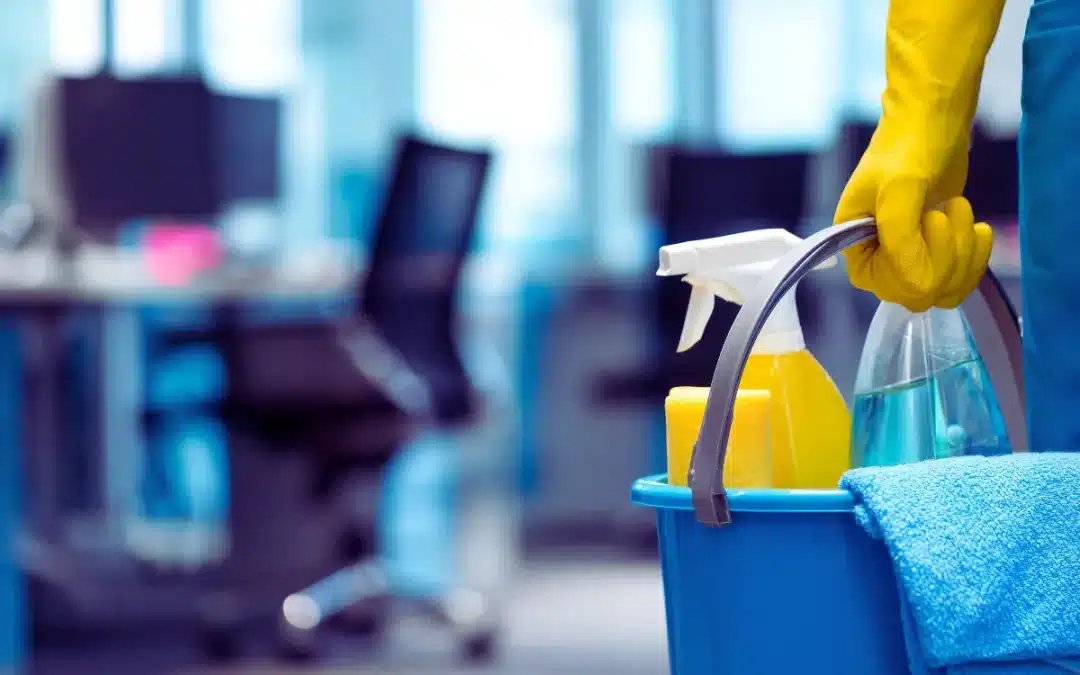
Keeping an office clean isn’t just about appearances. A messy workspace can spread germs, lower productivity, and make a poor impression on clients. Employees notice, and more importantly, their health suffers when cleaning is done haphazardly.
In Madison, we face some unique challenges. Winters bring snow, salt, and mud that track into open office spaces. Spring and summer mean pollen, dust, and humidity, which settle into carpets, vents, and furniture. Many Madison offices also feature shared workstations, open floor plans, and high-traffic breakrooms—all hotspots for germs and dirt.
This guide highlights 11 common office cleaning mistakes businesses make, along with practical ways to fix them. By addressing these mistakes, you can create a healthier, more productive office for your team—and a better impression for visitors.
Quick Takeaways
If you’re short on time, here’s a quick snapshot of the main points:
- Skipping high-touch surfaces spreads germs quickly.
- Overusing harsh chemicals can harm employees and damage surfaces.
- Ignoring carpets, upholstery, and vents reduces cleaning effectiveness.
- Using disposable tools incorrectly increases waste and cross-contamination.
- Lack of staff training leads to inconsistent cleaning results.
- Cleaning too rarely or too frequently can backfire.
- Neglecting hand hygiene undermines overall cleanliness.
- Failing to schedule professional deep cleaning reduces long-term efficiency.
- Poor floor care accelerates wear and tear.
- Not monitoring air quality affects employee health and comfort.
- Mismanaging waste and recycling creates clutter and unpleasant odors.
11 Common Office Cleaning Mistakes and How to Fix Them
Even offices with dedicated cleaning staff can slip up. Here are the mistakes we see most often, and how to avoid them.
1. Skipping High-Touch Surfaces
High-touch surfaces—desks, keyboards, phones, doorknobs, and light switches—are germ magnets. You might vacuum and wipe the floors every day, but if these areas are ignored, bacteria and viruses can spread quickly.
The impact: Employees get sick more often, and shared equipment becomes a hotspot for germs.
The fix: Clean and disinfect high-touch areas daily. Keep disinfectant wipes or sprays at each workstation if possible, and encourage employees to wipe shared surfaces before and after use.
2. Overusing Harsh Chemicals
Many office cleaning routines rely heavily on strong chemicals. While they may kill germs, they can irritate eyes, skin, and lungs—and even damage electronics and surfaces.
The impact: Employees can develop headaches, allergies, or respiratory issues. Over time, floors, furniture, and walls may fade or corrode.
The fix: Switch to safe, eco-friendly cleaning products. Biodegradable, EPA-approved cleaners can disinfect effectively without the side effects. In Madison offices, where people are conscious of sustainability, green cleaning also aligns with company values.
3. Ignoring Carpets and Upholstery
Carpets, rugs, and upholstered furniture often get overlooked. They trap dust, allergens, dirt, and germs. In open office plans, where employees share furniture, this becomes a bigger problem.
The impact: Allergens build up, air quality suffers, and odors linger.
The fix: Vacuum carpets frequently, especially in high-traffic areas. Schedule professional deep cleaning or green cleaning for carpets and upholstery to remove dirt, allergens, and bacteria safely.
4. Using Disposable Tools Incorrectly
Disposable wipes, paper towels, and single-use mops are convenient, but only if used properly. Over-relying on them or using them incorrectly increases waste and can spread germs rather than remove them.
The impact: Cross-contamination occurs when the same wipe touches multiple surfaces. Waste piles up, harming the environment.
The fix: Switch to microfiber cloths and reusable spray bottles. Microfiber traps dirt more effectively than disposable wipes, and reusable bottles reduce plastic waste. For Madison offices, this is a simple way to go greener without extra cost.
5. Neglecting Air Quality and Ventilation
Clean floors and desks won’t help if the air your team breathes is filled with dust, allergens, or stale odors. Vents, filters, and ceiling fans collect debris, which gets circulated throughout the office.
The impact: Poor air quality can cause fatigue, allergies, or respiratory issues. It also reduces overall comfort and productivity.
The fix: Replace HVAC filters regularly, clean ducts and vents, and dust ceiling fans. Consider air purifiers or even some indoor plants in shared spaces to improve circulation naturally. Madison’s seasonal humidity and pollen make this especially important in spring and summer.
6. Not Training Staff
Even the best cleaning tools don’t guarantee results. Without proper training, cleaning staff may miss critical areas or use products incorrectly.
The impact: Missed surfaces, inconsistent cleaning, and wasted supplies.
The fix: Provide staff with checklists, clear protocols, and hands-on training. Consistency is key. When everyone knows exactly what to do, your office stays cleaner with less effort.
7. Cleaning Too Rarely or Too Frequently
Timing matters in office cleaning. Clean too little, and germs build up. Clean too often with harsh chemicals, and surfaces wear down unnecessarily.
The impact: Surfaces degrade, cleaning costs rise, and germs may still spread if high-touch areas are neglected.
The fix: Create a balanced schedule. Daily wiping of high-touch areas, weekly cleaning of shared spaces, and seasonal deep cleaning of carpets, upholstery, and vents usually works best.
8. Forgetting Breakrooms and Kitchens
Breakrooms and kitchens see heavy traffic, spills, and food residues. These areas are breeding grounds for bacteria if not cleaned properly.
The impact: Odors, sticky surfaces, and germs spread quickly. Employees may get sick, and clients notice.
The fix: Wipe counters, sinks, and appliances daily. Empty trash and recycle bins regularly. Encourage employees to clean up after themselves. Even small habits make a big difference.
9. Overlooking Restrooms and Common Areas
Restrooms, hallways, and lounges often get cleaned less frequently. Dirty sinks, toilets, mirrors, and partitions create hygiene issues and leave a poor impression on visitors.
The impact: High-touch restroom surfaces spread germs quickly. Common areas look untidy and can become unsafe if spills or debris are ignored.
The fix: Schedule focused restroom deep cleaning and routine checks. Wipe mirrors, faucets, and partitions frequently. Keep floors dry to prevent slips.
10. Poor Floor Care
Floors take a beating in busy offices. Improper mopping, harsh chemicals, or neglecting mats can damage flooring and reduce safety.
The impact: Slippery, stained, or worn floors; increased risk of injury; shortened floor lifespan.
The fix: Use eco-friendly cleaners, mop efficiently, and maintain mats at entrances to trap dirt. Focus extra attention on high-traffic areas.
11. Mismanaging Waste and Recycling
Overflowing trash, mixed recyclables, and cluttered bins can undo even the best cleaning efforts.
The impact: Offices look messy, odors linger, and staff morale drops. Improper recycling also hurts the environment.
The fix: Label bins clearly, empty trash frequently, and promote recycling and responsible disposal habits. Encourage staff participation to keep the office tidy throughout the day.
FAQs
How often should I deep clean my office?
Seasonal deep cleaning works best, combined with daily or weekly maintenance. This keeps germs under control and maintains a professional appearance year-round.
Are eco-friendly cleaning products as effective as traditional ones?
Absolutely. Modern green products disinfect and clean just as well without harsh chemicals, odors, or surface damage.
Should offices hire professional cleaners or handle cleaning in-house?
Daily tasks like wiping desks and emptying trash can be done in-house. Deep cleaning of carpets, vents, upholstery, and restrooms benefits from professional expertise.
Can ignoring small cleaning tasks impact employee health?
Yes. High-touch surfaces and shared areas spread germs quickly. Even small oversights can lead to more sick days.
How can I make cleaning more efficient without cutting corners?
Use checklists, assign responsibilities, and invest in reusable tools. Scheduling professional services for seasonal deep cleaning ensures consistency and efficiency.
Let Us Handle Your Office Cleaning So You Don’t Have To
A clean office doesn’t happen by accident. If you want to avoid these 11 common mistakes and keep your workspace healthy, Touch of Europe Cleaning can help.
Learn more about our professional office cleaning services and schedule a seasonal deep clean or recurring maintenance plan today. We use trained staff, eco-friendly products, and flexible cleaning plans to serve Madison businesses and surrounding areas.
Clean offices don’t just look good—they support employee health, boost productivity, and leave a strong impression on clients. Let us help you get there.